In my previous post, I mentioned I taped the template on a wall like a poster. The function of the AAA is to treat it like a menu at a restaurant.

There are three sections: starters, main courses, and desserts (or in this case sweet endings).
Starters
The first section of the AAA is the activation. As we recall, we need to activate the learner. Just like sitting down at a restaurant we want to activate our taste buds through appetizers.

Here are the choices of activities for the Activation stage:
- quiz/test
- talk about quote
- survey
- concept formation
- agree/disagree
- journal
- K-W-L
- discussion questions
When you go to a restaurant, you look at the choices of appetizers first. You might order just one or a more than one. It is similar with the AAA. Now, you might decide to use more than one activity type. The number of activity types selected is based on the size of the class.
The number of students determines the pace. Smaller classes go through material faster than larger classes. If there are 5 students or less, I would use at least three activity types. If there is 5 to 10 students, I would use no more than 2 activity types.
Main Course
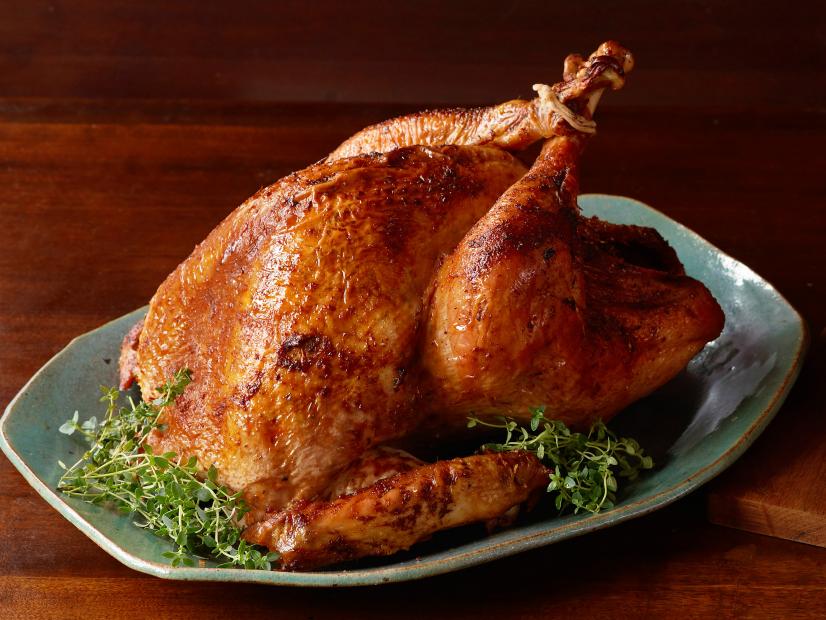
So, now we come to the acquiring stage. This is the main course and like the main course we only select one. The reason is the time duration. If you choose a jigsaw or lecturette, it can take easily half the time to get organized and implement it and there would not be enough time to organize and implement 2 activity types. Try to eat a turkey and a rib roast; it would be too much to take in.
Here are the choices of activities for the Acquiring stage:
- lecturette
- demonstration
- jigsaw
- video
- field trip
- guest speaker
- text / reading
- audio/podcast
Dessert (Sweet ending)
At last, we have the dessert. The dessert represents the assessment stage. So far, we have activated the students’ brains and presented the main course.
We want to know what they learned and what they can do with the material presented. The assessment stage is referred to as the dessert because the instructor can actually step back and observe what the students can do. Like a sweet macaroon, you can sit back and enjoy the fineness you created!
Here are the choices of activities for the Assessment stage:
- quiz/test
- performance
- log/journal
- portfolio
- metacognition (case study personal experience)
- checklist
- products
Conclusion
Going to a restaurant is fun. You sit down enjoy the ambiance, grab the menu and begin selecting your items to eat. Creating a lesson plan is very similar to ordering from a menu. You are in charge, and you make the decisions on which activity types you want to implement into the plan.
I will go more specifically into each activity type and how they play out in the classroom in future posts.
Hope to see at my next postings and share your experiences along in the journey!
 AAA Lesson Plan Template