This blog will focus on the second part of the AAA Plan. We will look at the activity types and show examples from each activity type on the list; the Acquire Stage (during pre-assessment.)
This is the list of activity types in the Acquire Stage:
- lecturette
- demonstration
- jigsaw
- video
- field trip
- guest speaker
- text / reading
- audio/podcast
lecturette
The root word of lecturette is lecture. The suffix, “ette” at the end of the word, simply reduces the length of time lectures consume in a class period. Lectures in general have become antiquated over the years as a more constructionist teaching method. However, teachers still do lectures and it should be stated as so for class registrations.
Below, are some examples you can use for a lecturette. The function is to input information you think would be important and vital for the upcoming activity.
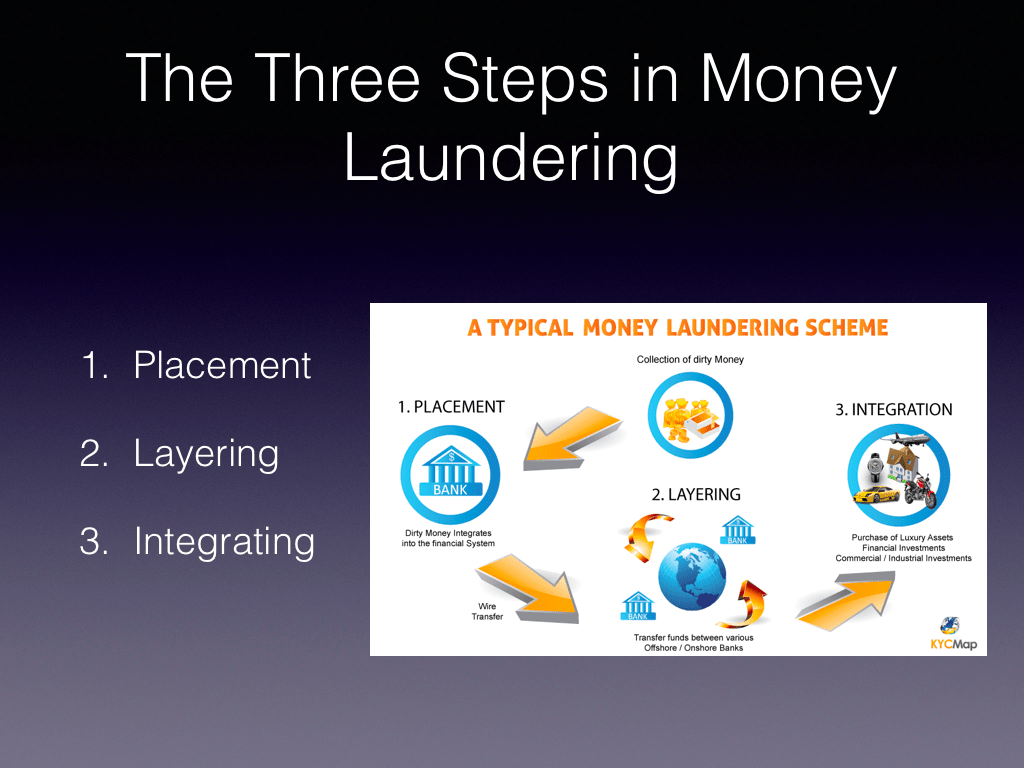
This slide introduces right away what you are going to cover like an outline:
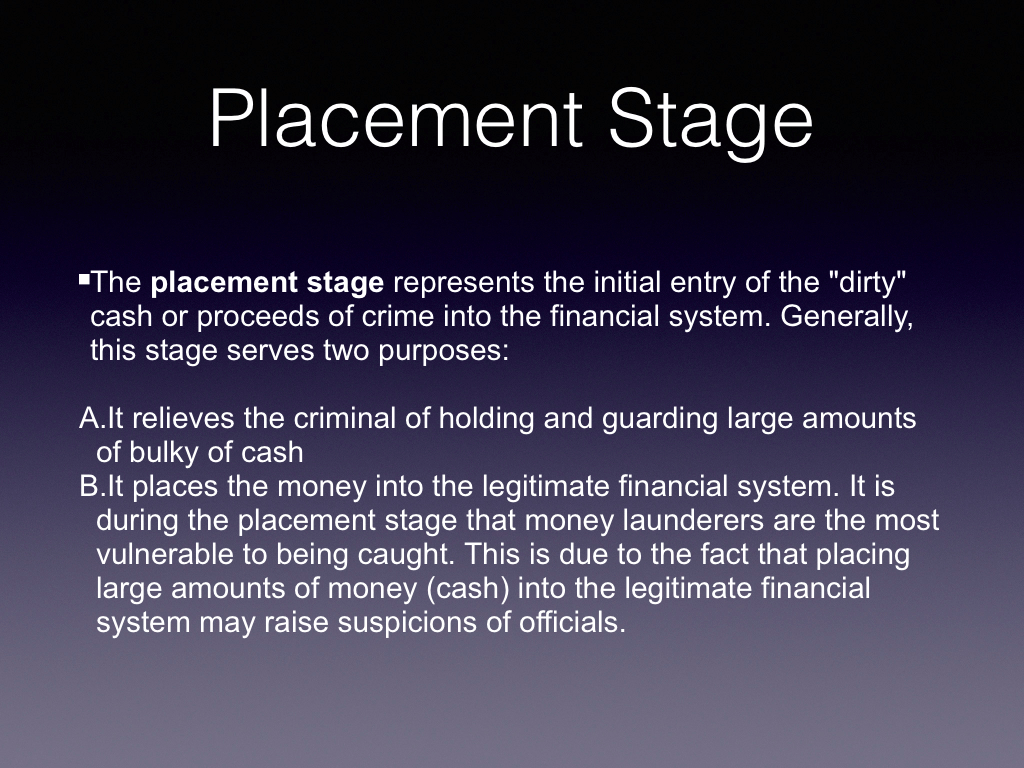
This slide shows the definition and explanation of the placement stage. There is a lot you can do with this slide. You can have the students predict or come up with their own definition of placement before showing the slide, call on learners to read the paragraphs and have them explain what they had read, and discuss any unfamiliar terms in the slide.
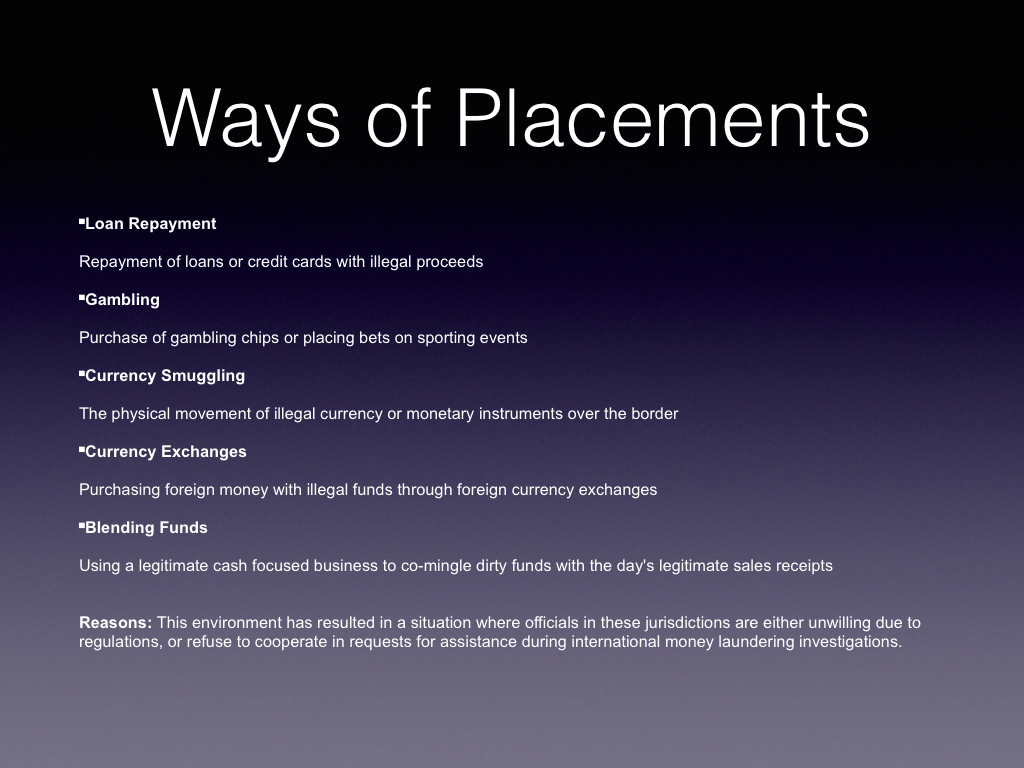
In this example, placement may require additional information such as examples of where or what placement means. I would begin by eliciting answers from the class examples of placement. At this stage, I would write all responses no matter if they are right or wrong. Lastly, I would reveal the ways one by one.
This is an excellent example of lecturette. I keep the class interactive as I go through each one. Learners may have experience either from real life or have seen these ways in a movie. A traditional lecture would have just talked about each one reliant on the learners’ attention span.
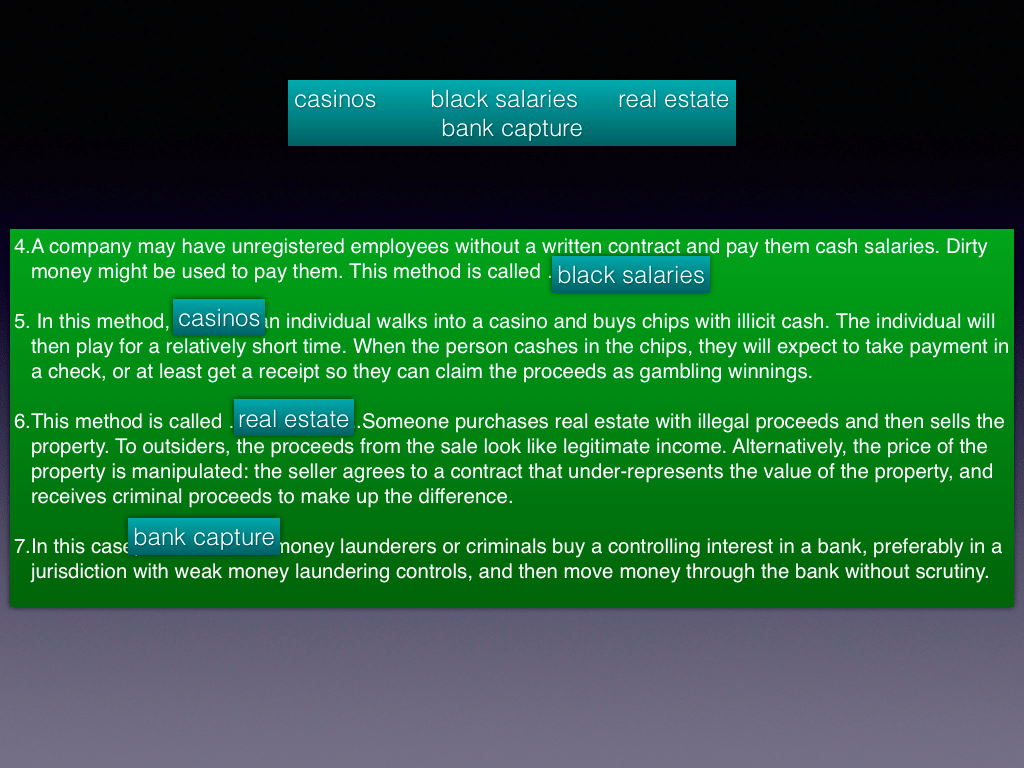
The sample slide below covers a lot of information. A common way to keep students engaged is to have them fill in the blanks with the words from a box. The learners would figure out which words to use by using clues from the sentences around the blank. this controlled exercise is very common in textbooks.
demonstration
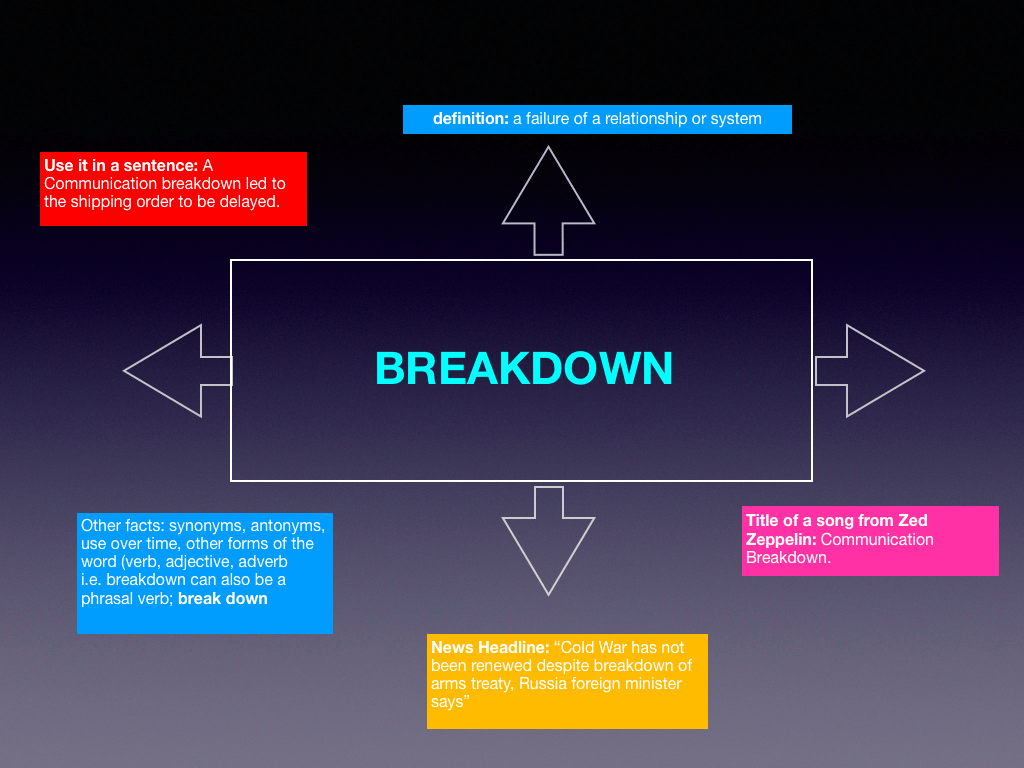
Demonstration is probably the best way to get learners to do exactly what you want. This slide has several requirements that I want the class to achieve. This is a group activity where the students gather information about a term covered in the chapter.
This is called a Fact and Opinion Organizer. I request the learners to find four facts about the term they are assigned and one opinion (opinion can be optional.)
I display this slide and go through the process of developing the example. I start with the definition and then place the other facts around the arrows. The learners are allowed to use their smart phones for gathering information about the term.
Learners see exactly what I am asking for and they can follow and flow the same way I proceed.
jigsaw

Jigsaw activities are about collaboration. Putting together to see the whole concept or idea.
In my Corporate Structure lesson plan, I have the class jigsaw the article, “The 5 types of organizational structures: Part 1, 2, and 3” from Forbes magazine.
Below, I begin with the five different type of corporate structures. The article will go more into detail about each one with an illustration of its structure.
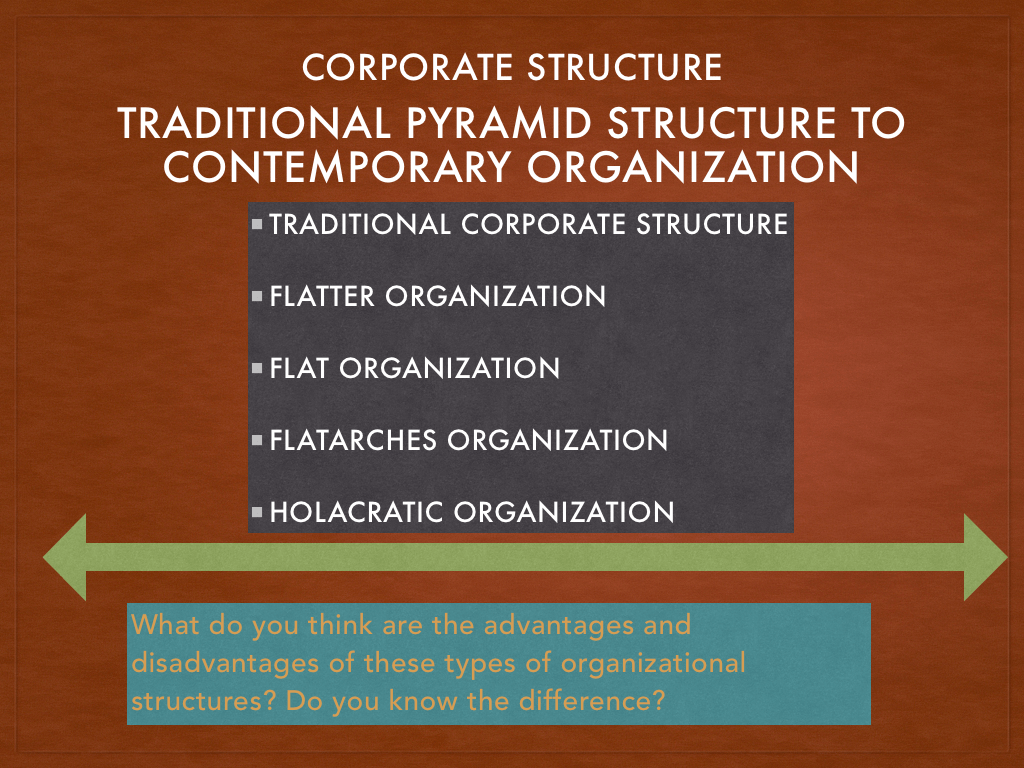
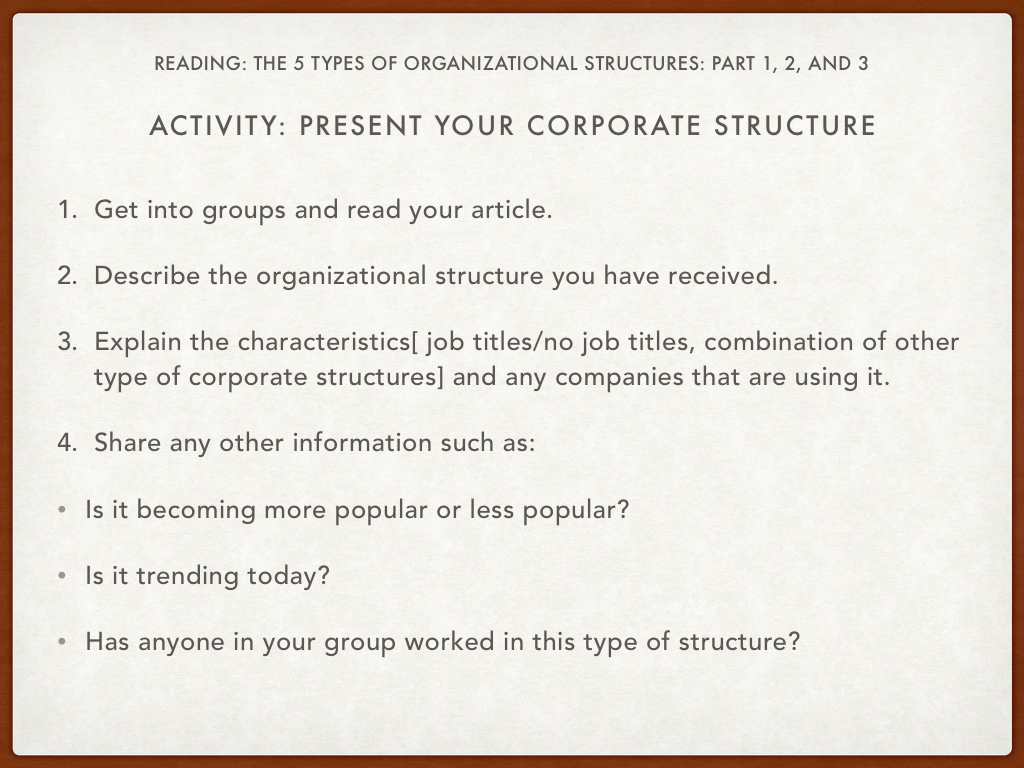
The slide below, gives the instructions needed to complete the jigsaw. Rather than read the article in class, the learners are divided into groups to give a presentation on the section they are assigned. This allows me to watch and observe them by walking around and seeing how they will collaborate with each other.
This article uses a flow chart when describing the corporate structure. When a group presents, they can use that visual aid to compliment their presentation.
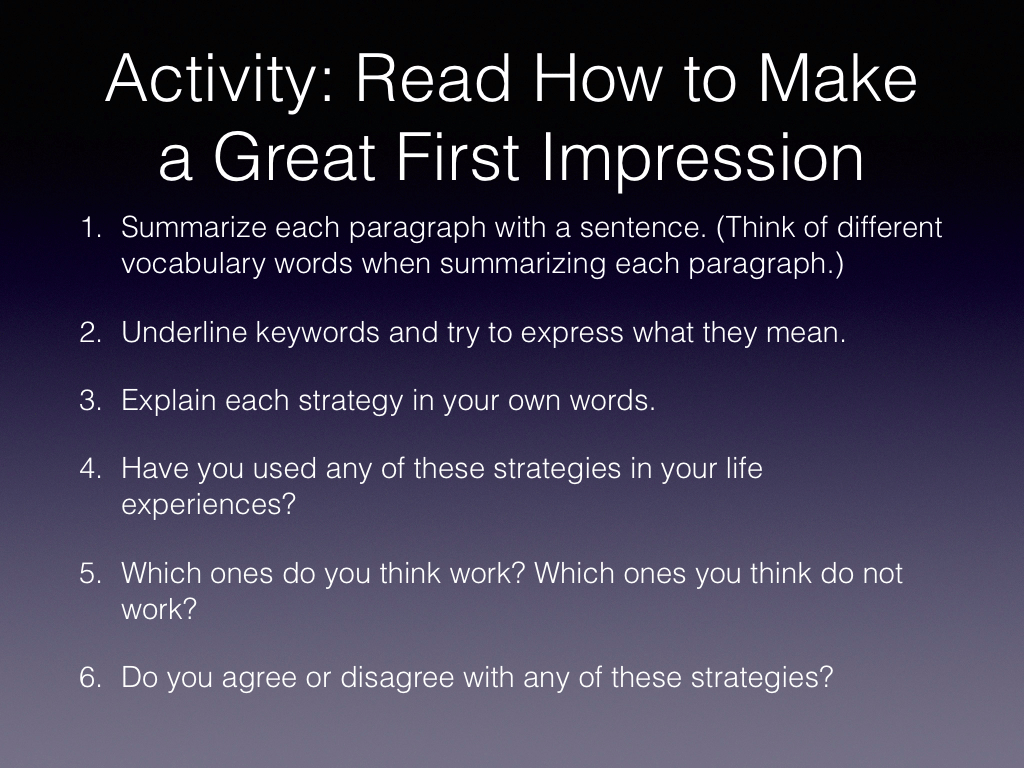
The slide below uses the article from the Harvard Business Review. Again, it is very long and it is best used with a jigsaw activity. The series of questions allow the learners to interpret it in there owns words and choose if they agree with it or not.
Video
Videos are becoming more and more popular. In the advent of YouTube, TikTok app, iMovie, and other streaming video services, videos are becoming more relevant in teaching.
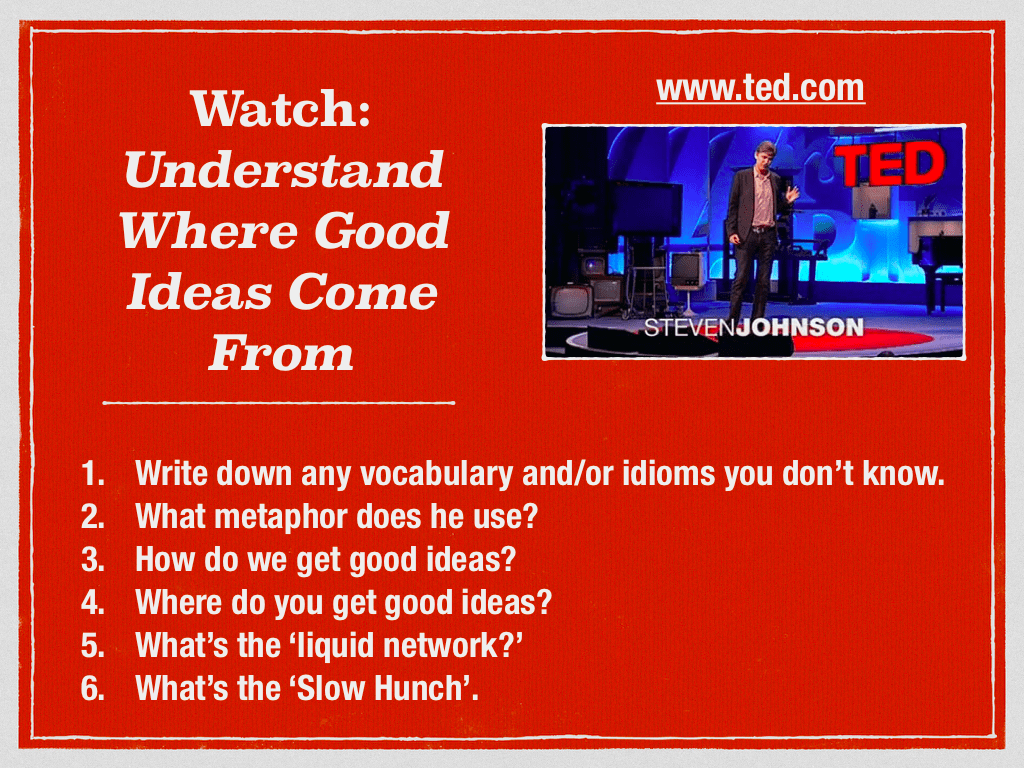
In an earlier posting, I utilize the K-W-L method when showing videos. Sometimes I prefer to layout specific questions for learners to follow or think about before screening the movie. For example, a TedTalk is a good way to get leaners thinking about the movie.
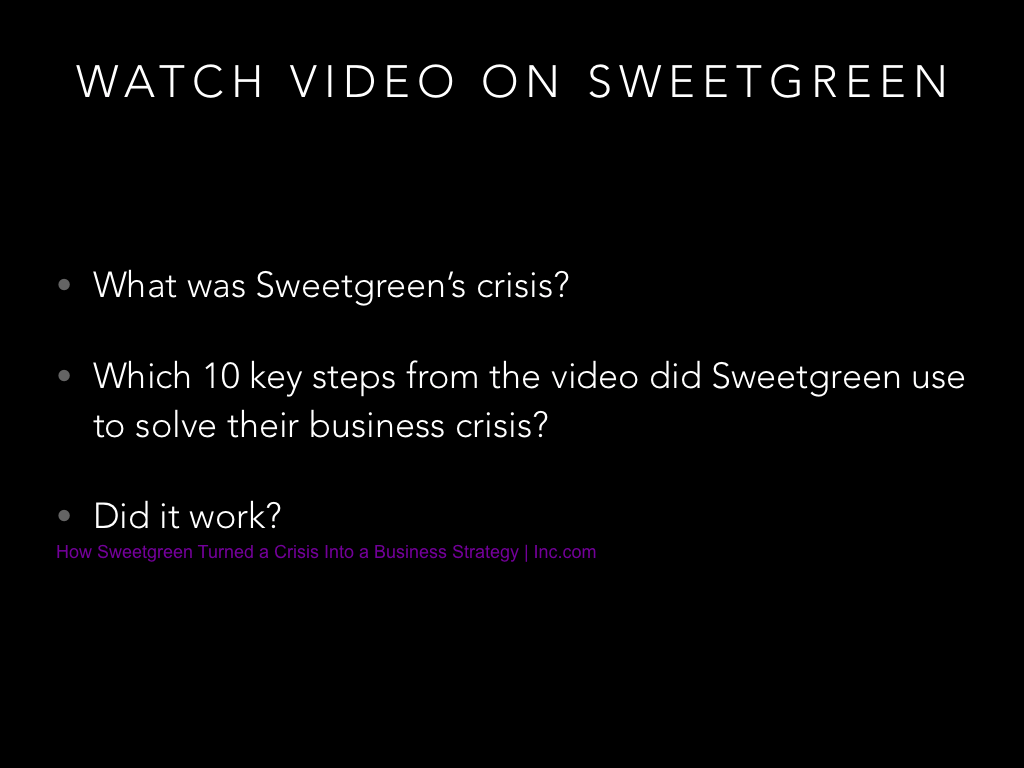
Below, I incorporated a video into a chapter called Crisis Management. The video talks about a crisis Sweetgreen experienced and how they fixed it. The chapter has 10 key steps companies follow for pre, during and post crises situations. I wanted the learners to apply the book’s key ten steps into a real life situation by matching the methods to Sweetgreen’s solution.
I will continue with field trips on my next post.
 AAA Lesson Plan Template